

Since I announced my husband and I were separating a few months ago, I have encountered many responses, from the grave to the admonishing, to the kind of silence usually reserved for unfathomable loss.
The most common response, however, has been an apology, the kind that makes me feel as though I just lost a loved one without realizing it. “Oh, I’m so sorry,” people say, accenting their regret and surprise, even though divorce is statistically common—and, increasingly, recognized as a net benefit for women.
Others have used my news as an invitation to share about their own lives, which used to frustrate me, but I’ve warmed to the way women, especially, instantly open up about their previously secreted experiences. How eagerly they whisper about their brushes with separation, or how they finally got out. Divorceland is not unlike the world of motherhood, which can feel so insular from the outside. Everyone has a story to tell, and yet, so many of the stories share common threads of wisdom about how the world works.
Most people, though, simply panic. One family member, long divorced herself, didn’t comfort me or ask how long I had been hurting in my marriage, or even why I chose to end it. Instead, she insisted that getting a divorce wouldn’t make me happy and proceeded to cry. I found the reaction almost comically insensitive, but when she later warned me how hard it was to be a single mother, I knew her perspective came from decades of her own struggle, raising children in a society that makes parenting without a male spouse alienating and onerous for women.
But, was she suggesting that the alternative was to stay? I suppose it’s easier to imagine another person muscling through a vague pain—easier, that is, than wanting it for yourself.
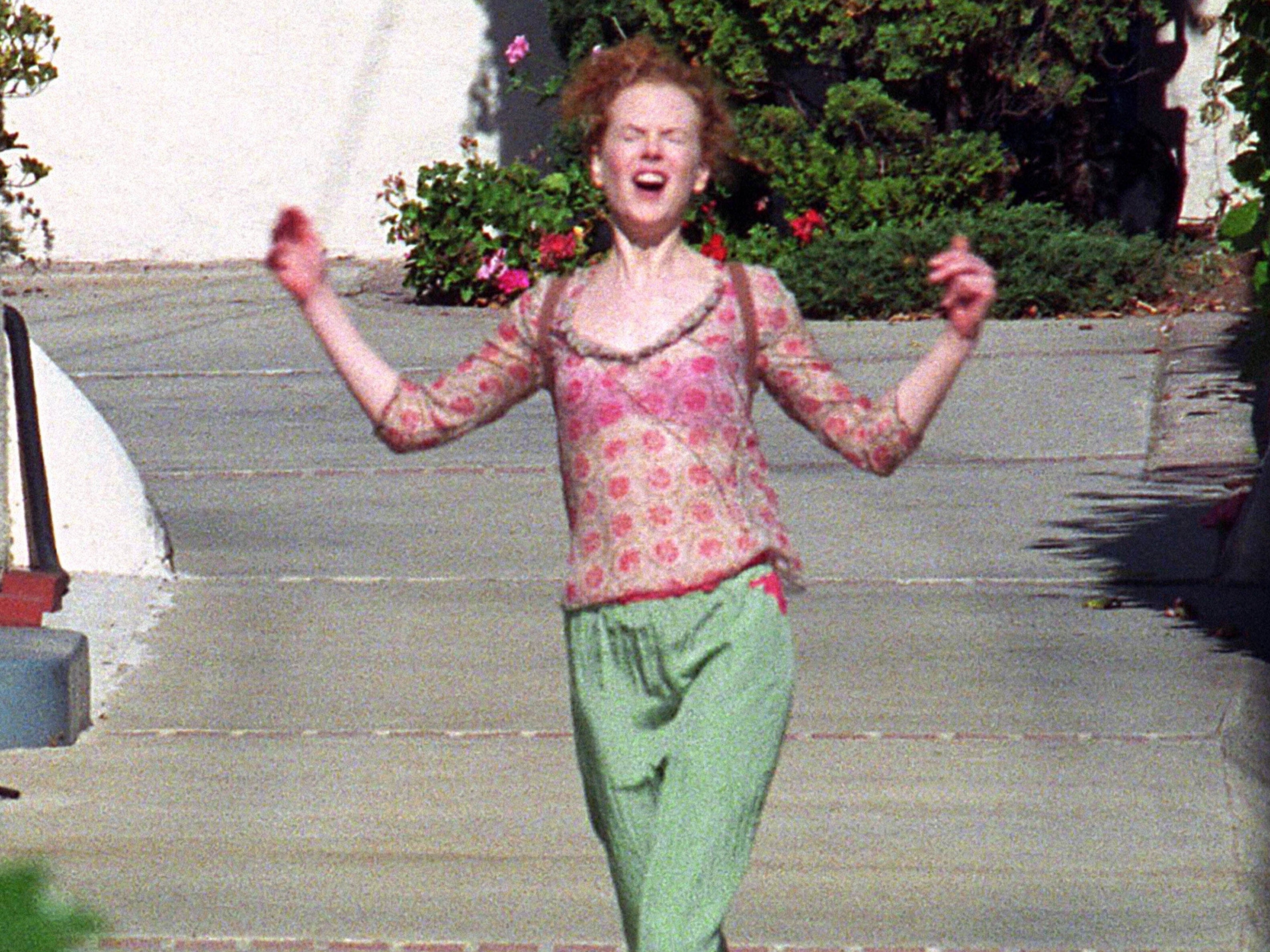
When I have not had to awkwardly comfort people about this change in my own life, I’ve found that the brand of compassion extended to the divorcing woman comes with the assumption that the end of a marriage means the shattering of that woman’s life, rather than—finally—the beginning.
Some reactions have been more helpful. A mother of one of my kids’ schoolmates was a little stunned but quickly pivoted to say she’d be happy to help support with childcare, moving days, and new coparenting arrangements. Another mother, previously divorced, said simply, and knowingly, “You’re not alone.” One divorced friend sent me a card of congratulations, which I read one cold morning in my car after dropping my kids off at school. On the front was an image of a smiling woman in bathing suit riding a fish; the card read Happy Divorce! Here’s to the other fish in the sea! I cried with gratitude at her handwritten note, which read, “Let’s be honest, we know that the system is the problem, not the individual men, but freeing ourselves of the individual men helps.”
Most people—family, friends, loose acquaintances—have shown little interest in my own personal turmoil or joy, much less in discussing the cultural and political stakes of marriage for women, that system, despite the glaringly misogynist political backdrop of America today. Instead, people have asked about the kids (even if they’ve never met them) and my family (which rarely seems to include me). One guy friend of mine even reached out to my ex, though the two men barely knew each other, to ask how he and the “family” were doing. The former friend never contacted me, so I suppose I had been excluded from his new definition of “family.”
Such responses betray some of our most basic assumptions about divorce— that there is always a wronged party (usually the man, astonishingly), that separation hurts children (but bad marriages and ordinary heterosexual inequality does not), and that if women appear in any way content when a marriage ends, she must have sinned in some way (probably, in wanting too much).
Buying into these ideas, we fail to ask more important questions about what came before the breakup, and to acknowledge the truth of what we know about marriage: women are happier on every level when they do not have to care for a male spouse, every cultural and financial hetero-norm disincentivizes women to leave marriages, which means most women have likely experienced considerable strain before the announcement of a split.
The tendency to treat divorce like a tragedy also assumes that any marriage that ends in divorce (rather than death) must be tossed off as a failure. Nothing could be further from the truth. During the hardest parts of my marriage, I could hardly look at our wedding album, or pictures of my family of four. It felt dishonest to swoon over false imagery. But when my former husband and I began speaking honestly with each other about our needs, and about the possibility that we may not be able to meet them for each other, we found ourselves reminiscing again about happier times.
Releasing myself from the lie of marriage—the idea that one person can and must fulfill another person for their entire lives, and within a system that is plagued by gender inequality—allowed me to celebrate the many years of comfort and laughter we had given each other.
I will admit, however, that the process of divorce—a seemingly endless and psychologically excruciating process—has dark parts for which we all deserve a robust apology. I have been truly floored at the monetary expenses and legal complexity of untying one’s life from another, at how little women are warned about this, and by how openly society is designed to support men with wives, while penalizing single people. And obviously, breakups are always a bit melancholy, even on the best of terms, because they signal the end of something.
By far what is most upsetting, however, is that the only alternative to the false tragedy of divorce seems to be that millions of women continue working overtime to preserve marriage for marriage’s sake. I know plenty of women who remain married to men they are not attracted to, do not love, or simply cannot stand to stave off the sense of tragedy and failure we attach to a marriage’s end, even more who simply feel a dogged, low hum of inner conflict about their marriages, and still more who are financially trapped, with no other options.
There are much worse stories available, too, from women who are abused, exploited, and coerced by men who once promised to love them. This is the real tragedy— the way so many women and men lose themselves in their efforts to maintain an outwardly palatable fiction. And that this is how we understand love.
As Deborah Levy writes, “I will never stop grieving for my long-held wish for enduring love that does not reduce its major players to something less than they are.”
Feeling reduced by my husband and by the confines of marriage to a wife damaged my identity, my faith in my intuition, my sense of self, to degrees that often felt irreparable. But these low points, these moments of realizing what marriage asks of women, what it takes from them, some of the most confusing and disorienting of my life, were all experienced within marriage, not divorce.
I’ve mulled over what might feel like a more appropriate response to the making public of such news. I struggle to imagine a world in which everyone acknowledges divorce is a relief when it’s finally decided. But those who have been through it know to say, Congratulations— you’ve escaped!
We could start, too, with better questions, like the kind that are helpful in moments of both tragedy and welcome change, such as, How can I help?
Better yet, why not invite women to tell their own stories by asking, first and foremost, How do you feel?
This essay was originally published in this newsletter earlier this year. So much has happened since, but I’ve pulled this essay out from behind the paywall for those who might need it right now.
If you want to hear more about where I am with all of this today, check out the most recent episode of Dire Straights, which tackles a timeless, and extremely timely, question: Can married and divorced women be friends?
My favorite conversation regarding my divorce happened in an airport bar. I told a woman (a total stranger) that I had just gotten separated and she said, with so much glee in her voice, "Oh! Congratulations!" I was like, damn straight, that's the right response!
OMG I wish I’d read this two decades ago!! So glad to have read it now. Thank you for writing and sharing. I am wishing you a future full of light. ❤️